SALE
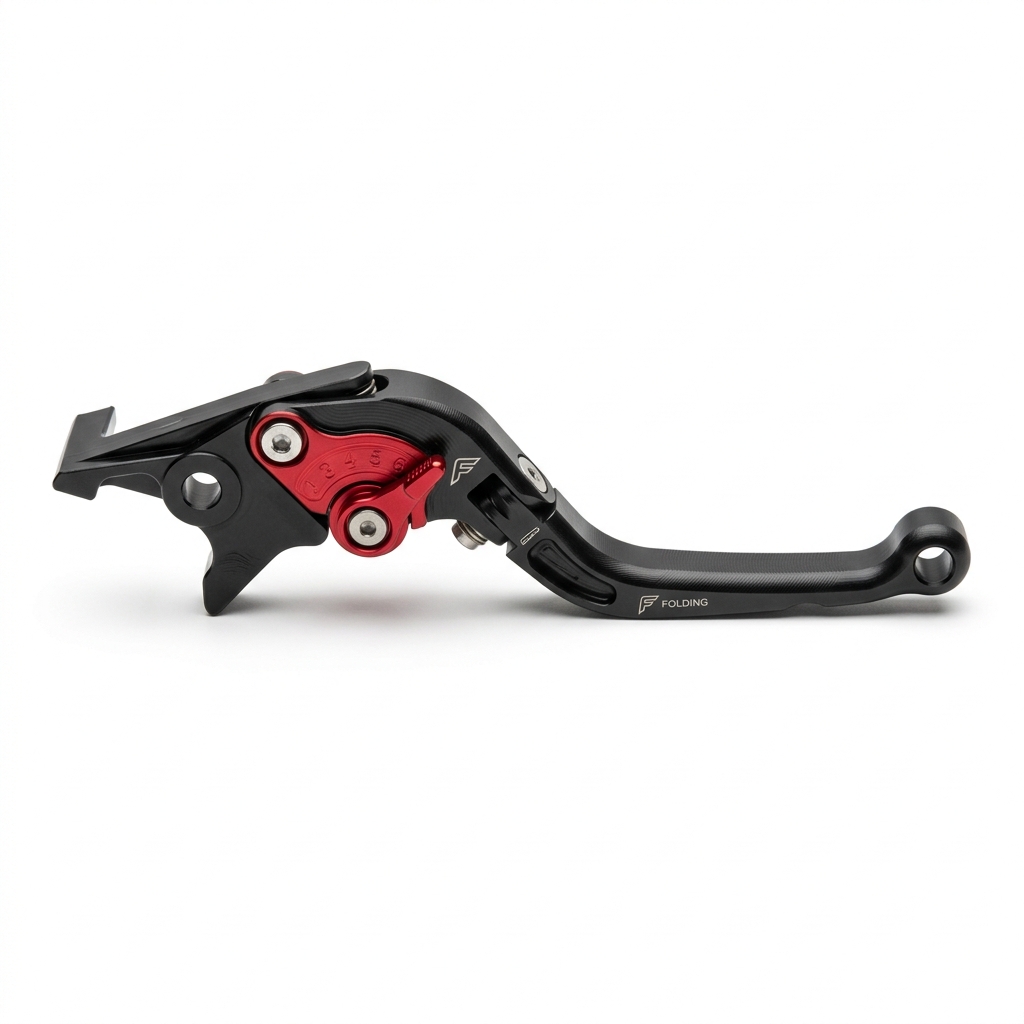
AS3 Performance
AS3 Performance Forged Brake Lever
$45.00
$36.00
Browse our complete selection of premium aftermarket handlebars & controls to keep your dirt bike competitive.
AS3 Performance
$45.00
$36.00
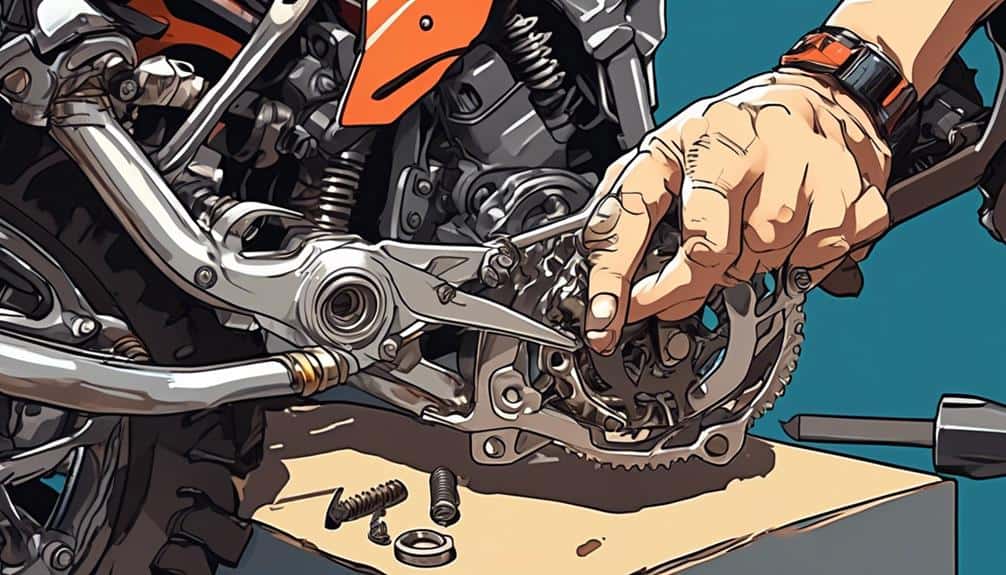
Flo Motorsports
$79.95
$63.96
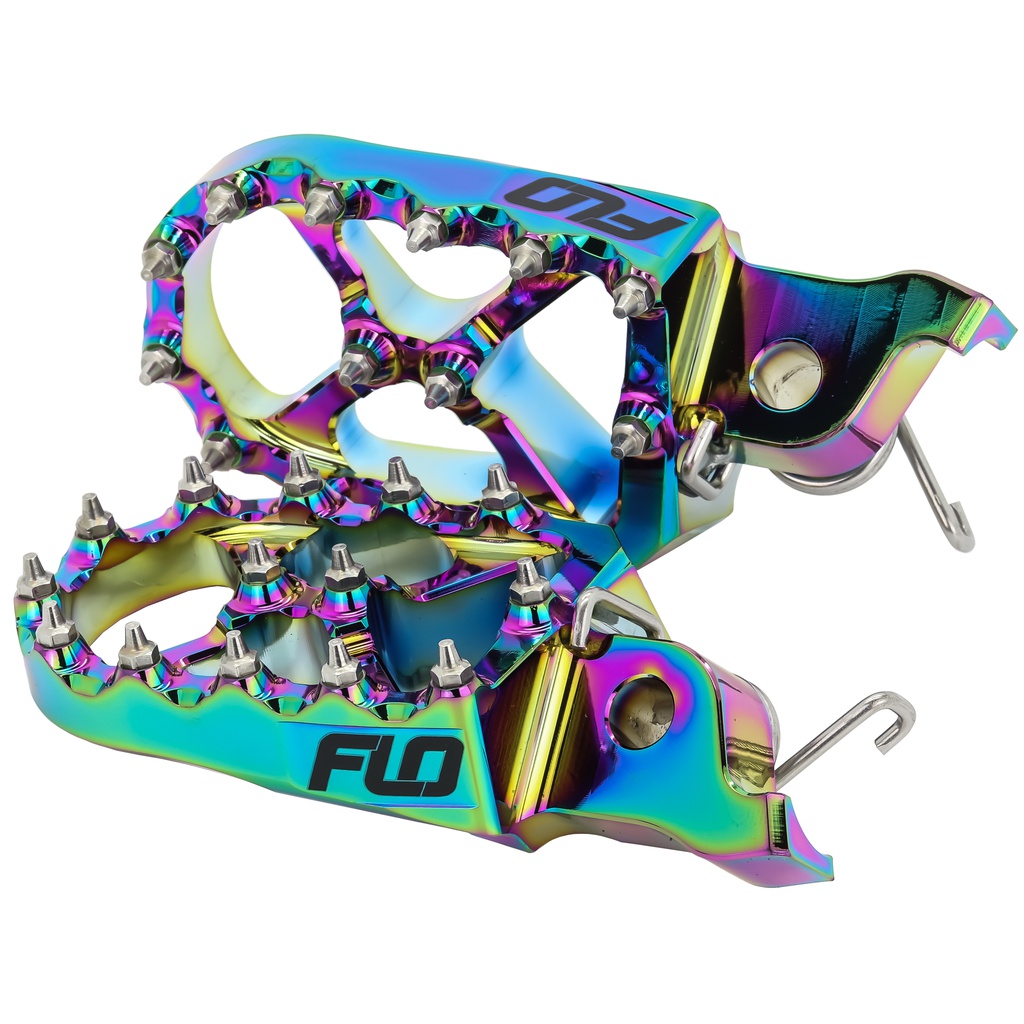
Flo Motorsports
$149.95
$119.96
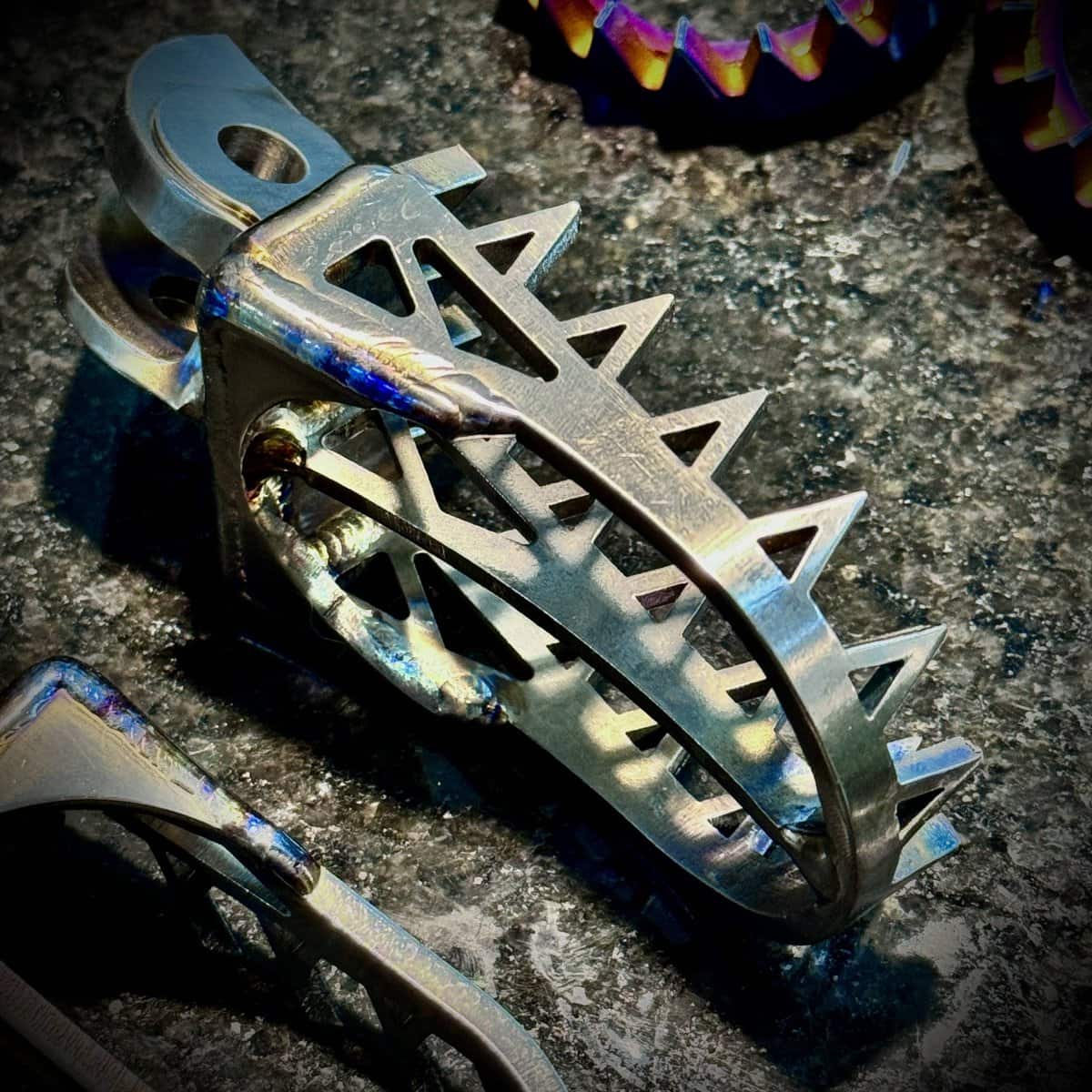
Husqvarna
$249.00
$199.20
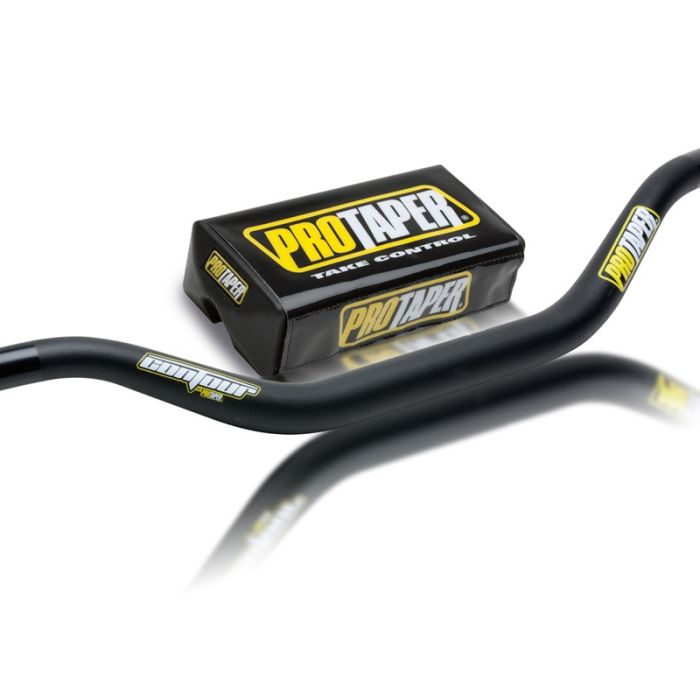
ProTaper
$99.99
$79.99
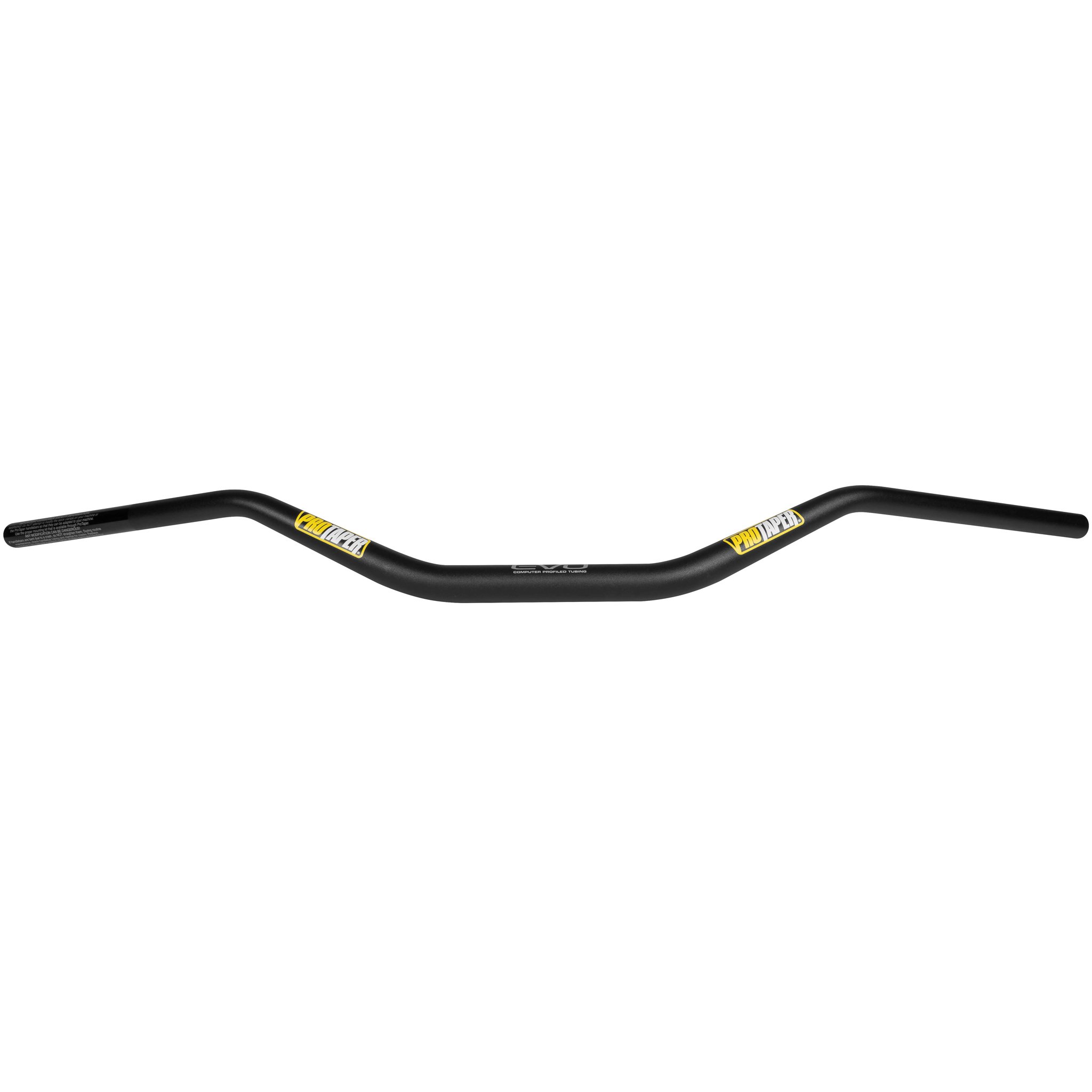
ProTaper
$115.99
$92.79
ProTaper
$139.99
$111.99
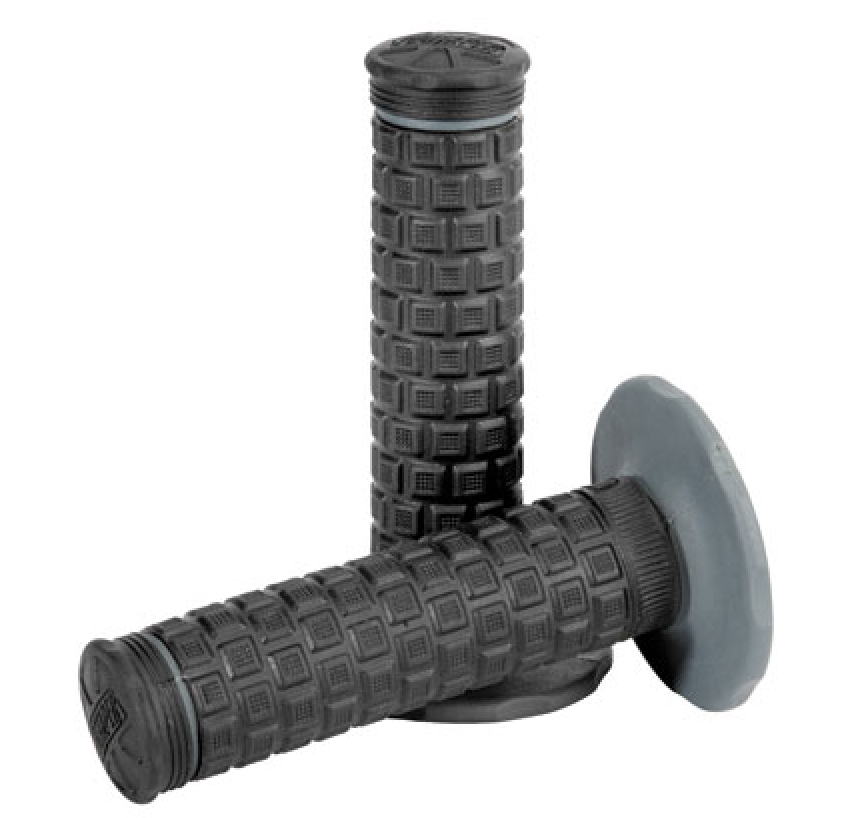
ProTaper
$19.99
$15.99
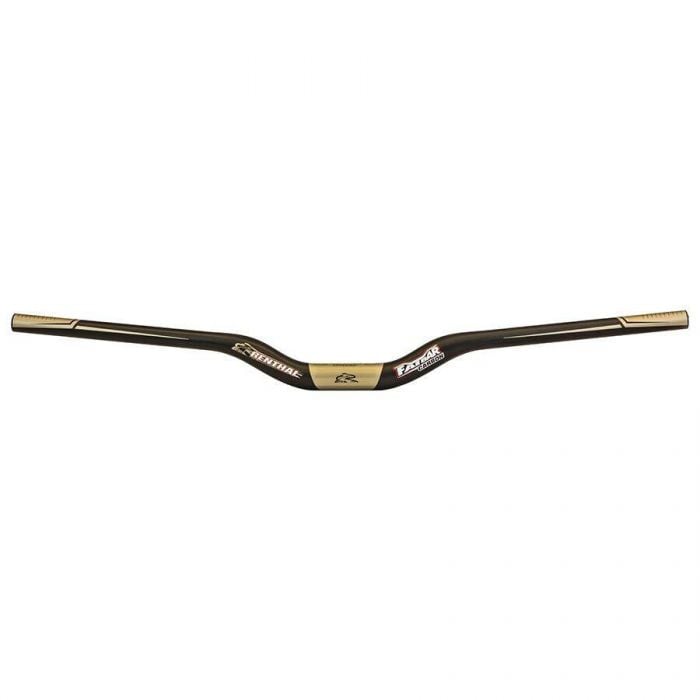
Renthal
$119.95
$95.96
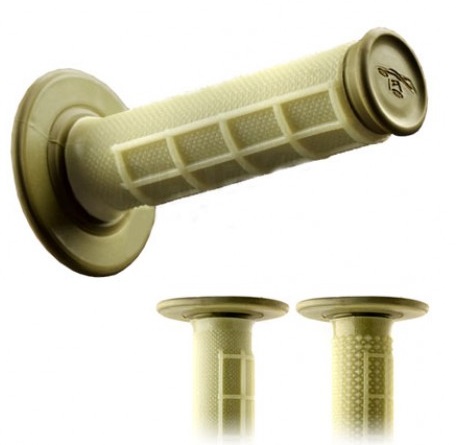
Renthal
$24.95
$19.96
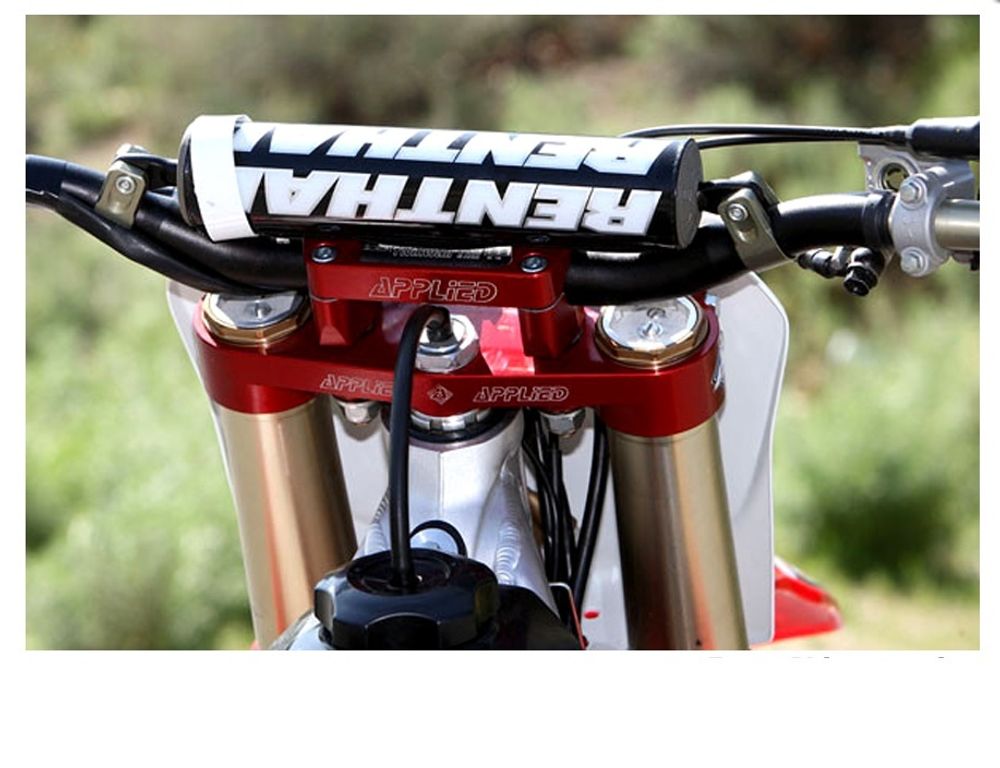
Renthal
$149.95
$119.96
### The Mechanical Role of Handlebars & Cockpit Controls The handlebar and control assembly represents the primary physical interface through which a rider dictates motorcycle trajectory, inputs body english, manages chassis balance, and modulates power delivery. In off-road and motocross racing, handlebars act as both a rigid steering lever and a dynamic suspension component. As the front wheel tracks across high-speed braking bumps, square-edge chop, and harsh jump landings, kinetic forces travel directly through the front fork assembly into the triple clamps and handlebars. An engineered handlebar system must balance structural stiffness for steering precision with elastic compliance to dissipate vibrational energy and reduce arm pump.
### Common Stock OEM Failure Modes & Material Vulnerabilities Factory production motorcycles often leave the showroom floor with entry-level control components engineered to meet manufacturing cost targets rather than high-level racing demands: 1. Handlebar Bending & Fatigue Fractures: Standard 7/8-inch steel or low-grade 6000-series aluminum bars lack elastic memory. A minor low-speed tip-over often permanently bends the bar clamp area or control tips. Furthermore, continuous cyclic vibration causes microscopic stress fractures along crossbar weld joints. 2. Brittle Cast Control Levers: OEM clutch and brake levers are mass-produced from brittle cast aluminum. Under impact, cast metal cannot flex, snapping cleanly off at the perch and leaving the rider stranded without front braking or clutch actuation. 3. Premature Grip Wear & Throttle Drag: Factory rubber grips feature soft compounds that wear down to bare plastic in a few motos or hard compounds that transmit extreme engine vibration. Plastic OEM throttle tubes easily crack on bar-end impacts, causing the throttle slide to stick open.
### Installation & Torque Protocols Thoroughly clean the lower triple clamp bar cradles. Place the handlebar centrally, verifying laser-etched centering marks. Install the top clamp caps, tightening front bolts first until flush (zero gap on forward edge), then torque rear bolts to 20-24 Nm to ensure uniform clamping pressure. Mount clutch and front brake perches with Teflon anti-seize tape or moderate clamping torque (5-8 Nm) so perches rotate during a crash rather than snapping the levers.
A: 1-1/8" unbraced bars utilize computer-profiled tapered wall thickness (thicker at the center clamps, thinner at the tips) to provide natural flex and shock absorption, significantly reducing arm pump compared to rigid 7/8" bars with welded crossbars.
A: Ensure the grip does not rub against the handlebar end plug or the throttle housing flange. Leave a 2mm air gap between the grip flange and the throttle housing.
A: DuPont Kevlar aramid resin matrices allow the grip to deliver the ultra-soft, vibration-damping feel of a soft grip while outlasting standard rubber grips by up to three times.