SALE
KTM
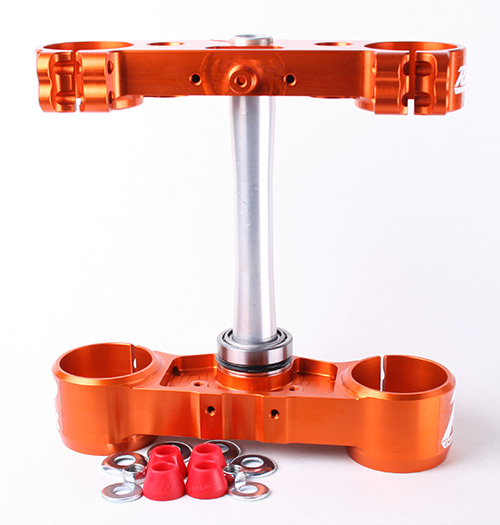
KTM SXS Factory Triple Clamps
$599.99
$479.99
Browse our complete selection of premium aftermarket suspension to keep your dirt bike competitive.
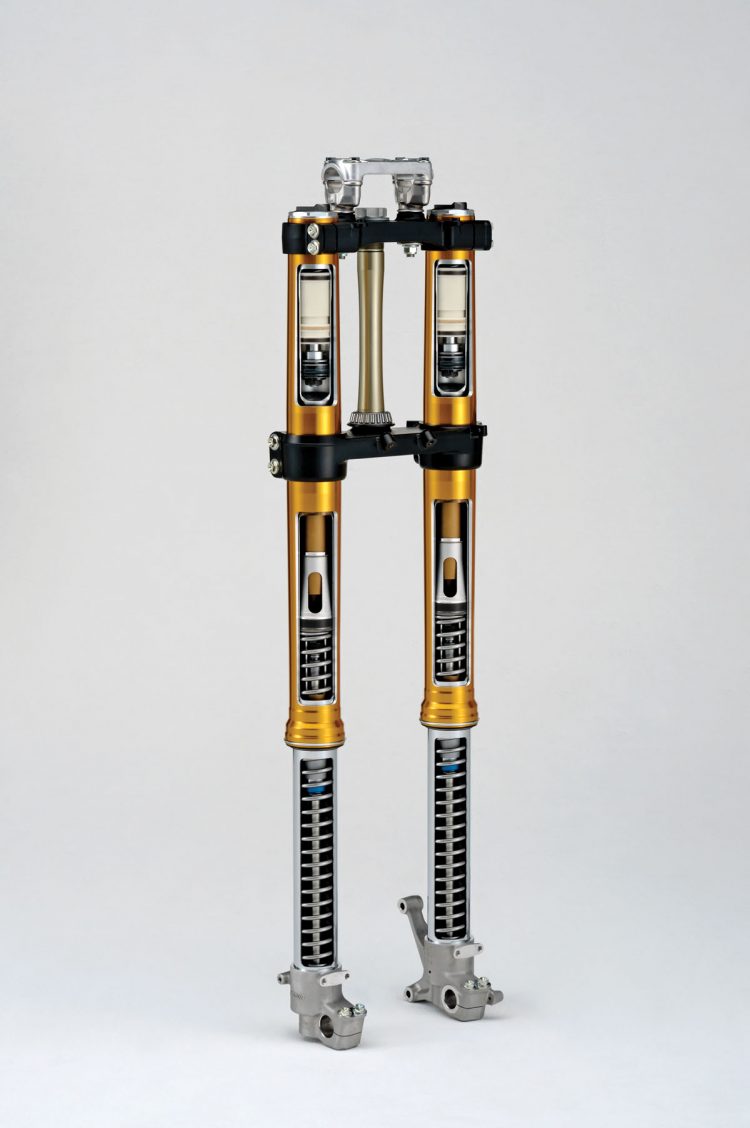
### The Physics of Off-Road Suspension Dynamics & Hydraulic Damping Suspension on an off-road competition motorcycle is responsible for three critical functions: isolating the rider and chassis from violent terrain impacts, maintaining continuous tire contact with the ground for acceleration and braking traction, and controlling dynamic chassis pitch during acceleration, braking, and cornering. Modern 48mm and 49mm twin-chamber inverted forks and piggyback rear shocks utilize hydraulic cartridge systems where damping force is generated by forcing suspension fluid through precision valve ports governed by flexible steel shim stacks. Fine-tuning internal damping valving, spring rates, steering stem triple clamp offsets, and rear linkage progression curves transforms a harsh, nervous motorcycle into a plush, planted race weapon.
### Common Stock OEM Failure Modes & Suspension Deficiencies Mass-production showroom suspension setups are calibrated with broad compromises to accommodate riders of varying weights and skill levels, resulting in common performance limitations: 1. Hydraulic Locking & Mid-Stroke Harshness: Production fork valving pistons feature small, restrictive port apertures that cannot flow sufficient oil volume during high-velocity square-edge impacts (such as braking bumps). This creates hydraulic spike, transmitting harsh shock loads directly into the rider's wrists and causing the front wheel to deflect off-line. 2. Rear Shock Packing & High Chassis Attitude: Factory rear suspension linkages often feature aggressive rising-rate curves that make the rear end sit high and feel stiff under acceleration chop, causing the rear tire to kick violently and wallow in rutted corners. 3. Triple Clamp Bore Distortion & Fork Stiction: Mass-produced cast aluminum triple clamps lack engineered flex zones. When torqued down, cast clamps pinch the outer fork tubes, causing severe internal bushing stiction that prevents the fork from absorbing minor trail chatter. 4. Internal Air Pressure Buildup: As forks stroke through millions of cycles, internal oil friction and atmospheric heat generate pressurized air pockets in the outer chambers, making the fork progressively stiffer and harsher over the course of a 30-minute moto.
### Step-by-Step Suspension Setup & Sag Calibration Protocol <div class="my-6 p-4 rounded-xl border bg-red-500/20 text-red-400 border-red-500/40 bg-opacity-30"><div class="flex items-center gap-2 font-black uppercase text-sm mb-1 tracking-wider"><svg class="w-5 h-5 flex-shrink-0" fill="none" stroke="currentColor" viewBox="0 0 24 24"><path stroke-linecap="round" stroke-linejoin="round" stroke-width="2" d="M12 9v2m0 4h.01m-6.938 4h13.856c1.54 0 2.502-1.667 1.732-3L13.732 4c-.77-1.333-2.694-1.333-3.464 0L3.34 16c-.77 1.333.192 3 1.732 3z"></path></svg>Safety & Precision Warning</div><p class="text-sm text-gray-300 leading-relaxed">Safety & Installation Notice: Fork and shock rebuilding requires specialized cartridge holding tools, seal drivers, and precision oil height measurement gauges. Improper assembly can cause catastrophic damping loss. Professional installation by a certified suspension technician is strongly recommended.</p></div> Setting Suspension Race Sag: Place the motorcycle on a center stand with wheels suspended off the ground. Measure the distance between the rear axle centerline and a fixed point on the rear fender (Measurement L1). Take the bike off the stand and have the rider sit in full riding gear in the attack position while a helper balances the bike. Measure the distance between the same two points (Measurement L2). Calculate Race Sag: $L1 - L2$. For modern motocross and off-road bikes, target 102mm to 105mm of race sag. If race sag is correct but static bike sag (unladen bike on its own wheels) is outside 30-40mm, replace the rear shock spring with the correct rate spring.
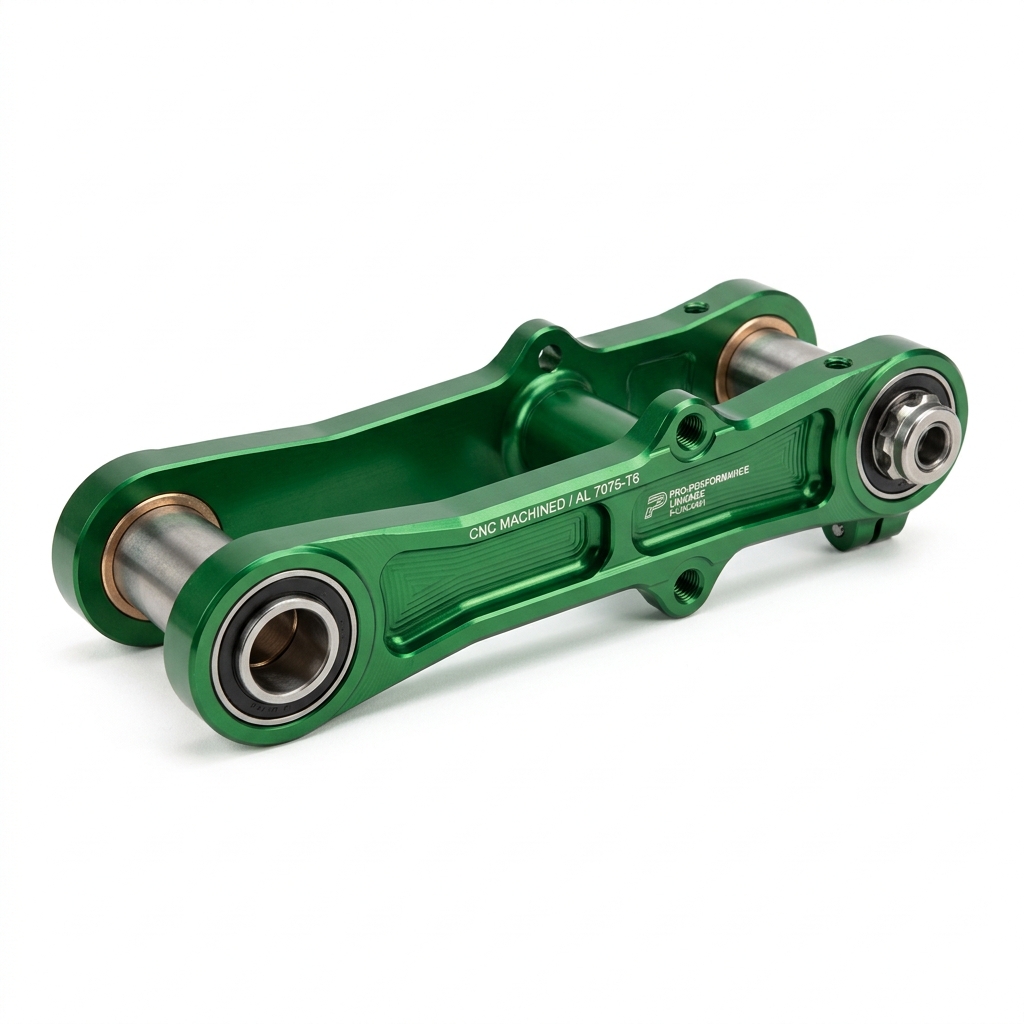
A: Extending the linkage arm lowers the rear of the chassis by 5-10mm, balancing front-to-rear chassis weight distribution. This prevents the rear shock from wallowing or kicking out of ruts and allows the rider to get on the throttle earlier when exiting turns.
A: As forks stroke over bumps, internal friction and temperature rise generate air pressure in the outer chambers. This air acts as an unwanted, progressive air spring that makes the forks feel harsh on small bumps. Bleeding equalizes the pressure to atmospheric baseline.
A: DLC coating creates a diamond-hard, micro-smooth surface that dramatically lowers friction between damper rods and seals, eliminating stiction and delivering ultra-plush initial suspension compliance.
A: For competitive motocross, replace outer fork chamber oil every 20 operating hours and service the inner cartridges and rear shock every 40 hours. In recreational trail riding, annual oil flushes maintain damping performance and extend component life.