SALE
Boyesen
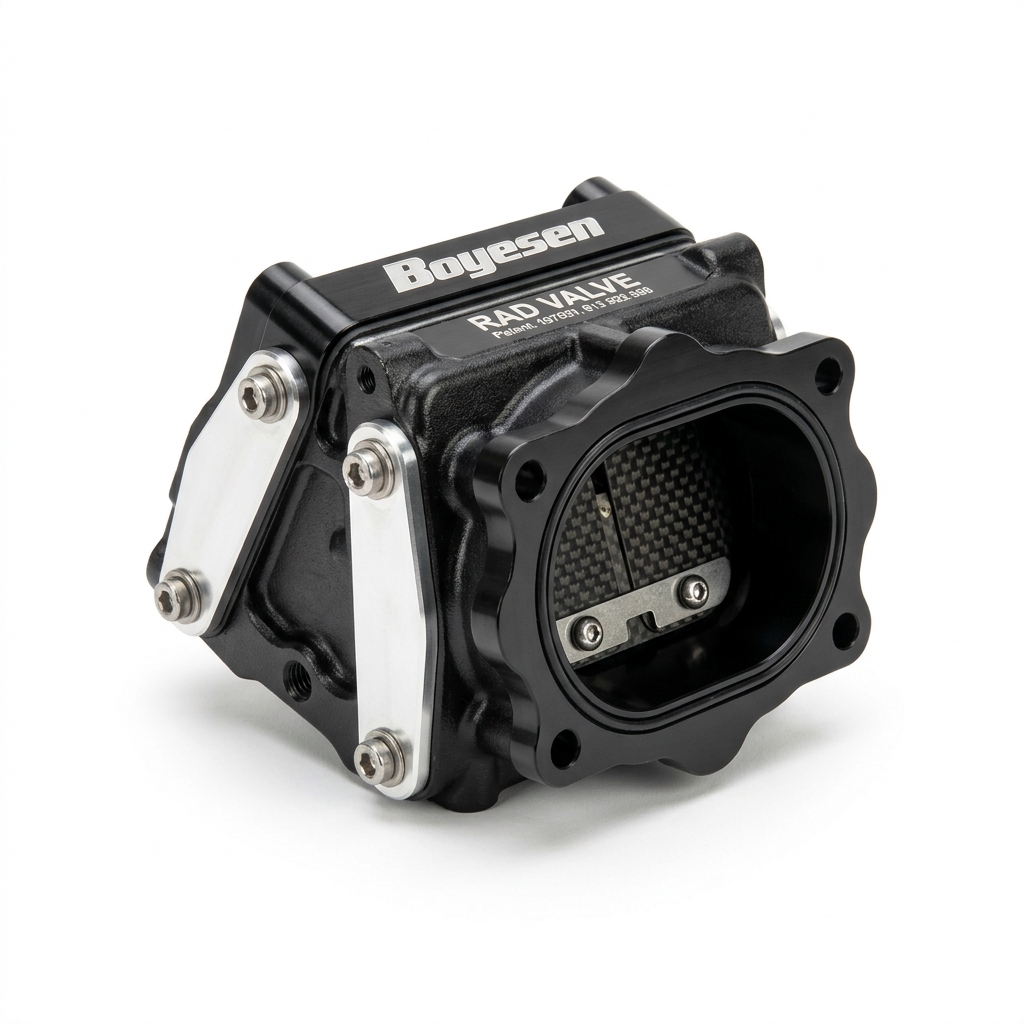
Boyesen Rad Valve System
$189.95
$151.96
Browse our complete selection of premium aftermarket intake & fuel to keep your dirt bike competitive.
### The Critical Role of Airflow Velocity & Fuel Induction An internal combustion off-road race engine is fundamentally an air pump. Power output is directly constrained by the volume and velocity of clean air the induction system can deliver into the combustion chamber. In dusty, sandy, and muddy environments, the intake and fuel system must accomplish two opposing goals: maximize unrestricted airflow for instantaneous throttle snap and horsepower, while providing an impenetrable physical barrier against microscopic silica and dirt particles. A single teaspoon of ingested dirt will destroy intake valve seats, scour cylinder walls, and cause catastrophic engine failure within minutes.
### Common Stock OEM Failure Modes & Material Vulnerabilities Factory intake assemblies contain significant flow restrictions and maintenance vulnerabilities: 1. Restrictive Wire Backfire Screens: Stock four-stroke filter cages feature dense metal mesh backfire screens that create severe airflow turbulence and drag, choking throttle response off idle. 2. Leaking Foam Air Filter Seams: Budget glued air filters use chemical adhesives that dissolve in cleaning solvents, allowing seams to split open and pass unfiltered dirt directly into the throttle body. 3. Two-Stroke Reed Petal Chipping & Flutter: Stock plastic reed cages and stamped petals flutter at high RPM and chip along the edges, causing hard starting, erratic idling, and lost low-end torque. 4. Hydrodynamic Coolant Cavitation: Stock water pump covers and flat impellers create microscopic vapor cavitation bubbles under high thermal loads, causing coolant boil-over and power fade during long motos. 5. Carburetor Off-Idle Bog: Stock accelerator pump circuits can hesitate upon sudden throttle opening, causing dangerous engine bogging on jump faces.
### Air Filter Oiling & Intake Installation Protocols Submerge clean foam filters in high-tack filter oil, squeeze out excess oil thoroughly (never wring or twist), and allow carrier solvents to evaporate for 15-30 minutes until tacky. Mount the filter onto the support cage, install into the airbox, and run your fingers around the entire foam base ring to verify a 100% airtight, leak-free seal.
A: Flame lamination uses controlled heat to fuse foam layers without glue, ensuring 100% open airflow cells that never dissolve or separate in filter cleaning solvents.
A: Yes. Powerflow filters utilize a specialized flame-retardant inner foam layer that safely dissipates backfire sparks without requiring a restrictive metal mesh.
A: The solid aluminum body and patented aerodynamic surface curvature accelerate intake charge velocity and atomize fuel droplets directly into the crankcase transfer ports, eliminating low-end hesitation.
A: A properly oiled filter has a uniform, saturated color across 100% of both foam layers, with no light or dry patches, and is tacky to the touch without dripping liquid oil.
A: By eliminating cavitation and increasing coolant circulation by 25-30%, engine temperatures stay 10-15°F cooler, preventing piston clearance expansion and timing retardation.