SALE
FMF
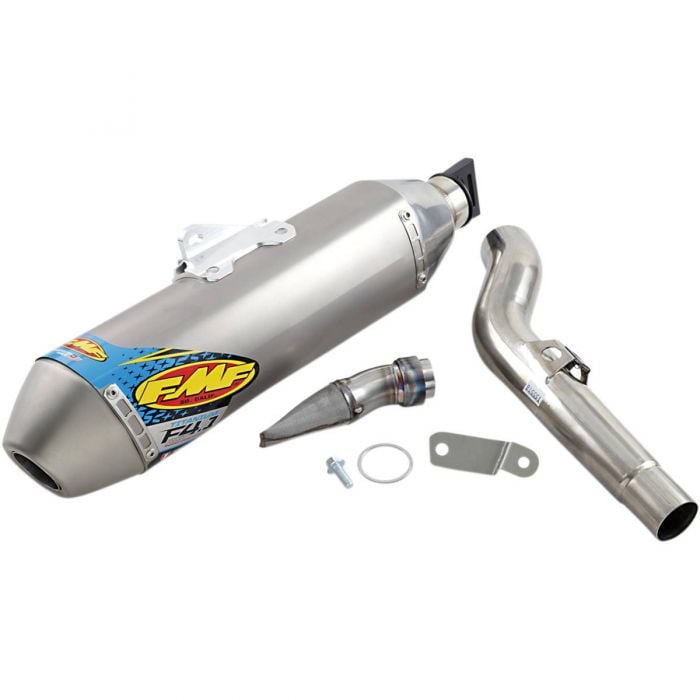
FMF Factory 4.1 RCT Titanium Slip-On
$599.99
$479.99
Browse our complete selection of premium aftermarket exhaust systems to keep your dirt bike competitive.
FMF
$599.99
$479.99
FMF
$289.99
$231.99
FMF
$349.99
$279.99
Pro Circuit
$169.95
$135.96
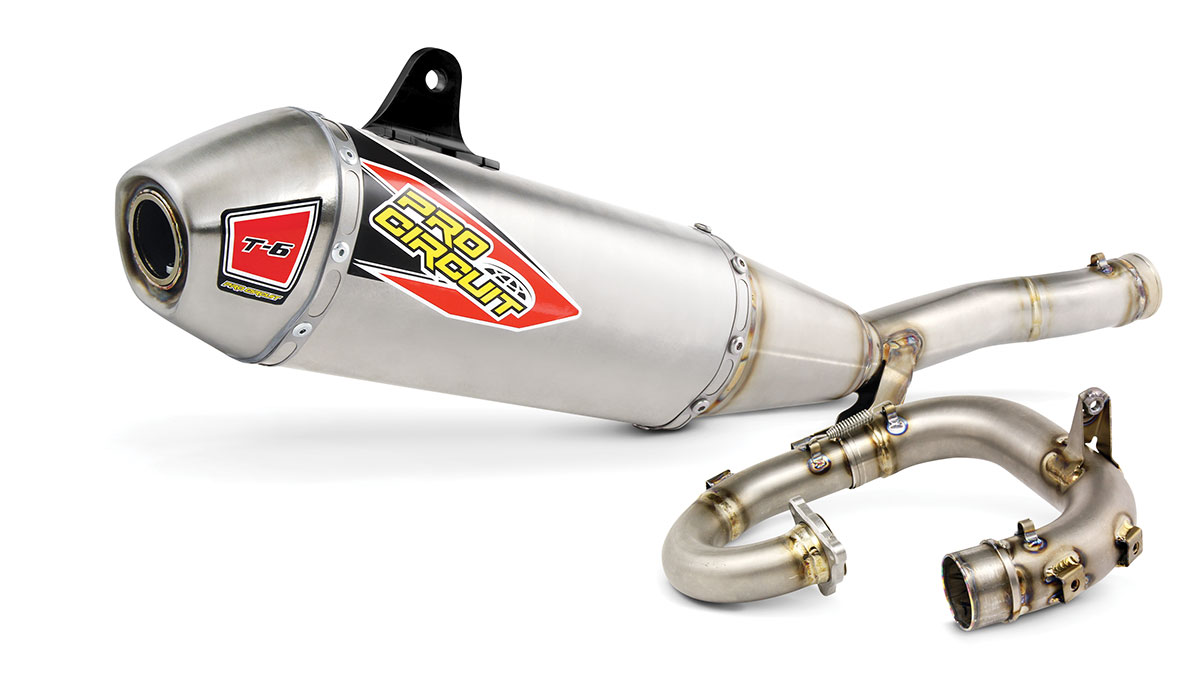
Pro Circuit
$899.95
$719.96
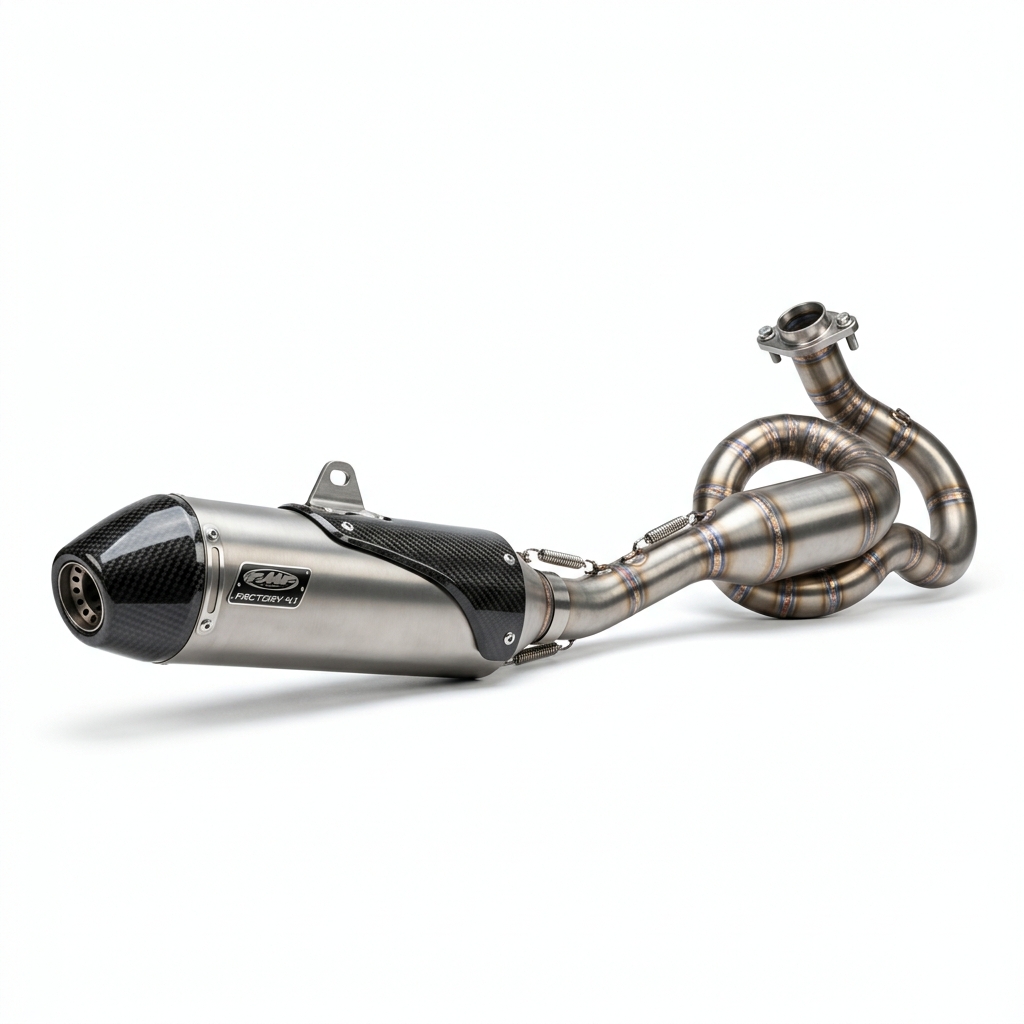
Pro Circuit
$1,199.95
$959.96
### The Mechanical Role of Exhaust Systems in Engine Dynamics The exhaust system on a competition two-stroke or four-stroke motorcycle is a sophisticated acoustic wave management and gas evacuation device. Far from being merely a conduit for spent combustion gases, the exhaust header, expansion chamber, and silencer directly govern the volumetric efficiency of the cylinder. During the engine's exhaust cycle, the high-velocity discharge of exhaust gas creates dynamic pressure pulses. By precisely engineering header step diameters, taper angles, and resonance chambers, an aftermarket exhaust utilizes acoustic scavenging to draw fresh fuel-air mixture into the cylinder during valve overlap (or port timing on two-strokes), dramatically increasing horsepower, broadening torque delivery, and sharpening throttle response.
### Common Stock OEM Failure Modes & Material Vulnerabilities Mass-production factory exhaust systems are compromised by strict production budgets, sound regulations, and emissions standards: 1. Restrictive Internal Baffles & Heat Traps: OEM four-stroke silencers rely on heavy internal mechanical chambers and restrictive spark arrestor screens that create high exhaust backpressure, causing horsepower fade at high RPM and overheating the rear shock reservoir. 2. Thin-Gauge Two-Stroke Dents: Stock two-stroke expansion chambers use thin 20-22 gauge stamped steel. A single rock strike or log hit easily crushes the header cone, restricting exhaust flow and destroying bottom-end power. 3. Silencer Packing Degradation & Blowout: Neglected silencer packing burns away within 15-25 race hours, resulting in excessive decibel levels, loss of engine scavenging backpressure, and canister heat discoloration.
### Step-by-Step Installation & Tuning Guidance Loosen all subframe and exhaust mounting bolts. Remove the old system and extract the old copper exhaust gasket from the cylinder head. Install the new copper gasket. Mount the header loosely to the cylinder head exhaust studs without torquing down. Slide the mid-pipe and silencer onto the header, aligning all chassis mounting brackets. Once the entire system is loosely aligned, torque header flange nuts evenly to 12-14 Nm, followed by mid-pipe and silencer mounting bolts to 20-25 Nm. Wipe raw titanium headers with isopropyl alcohol before initial startup to remove fingerprint oils that cause uneven heat staining.
A: High-flow exhaust systems evacuate exhaust gases faster and draw higher air volumes into the combustion chamber. Adjusting EFI fuel maps or carburetor jetting ensures the air-fuel ratio remains optimal (preventing lean conditions).
A: Repack competition four-stroke silencers every 20-30 operating hours. Discolored canister metal, increased sound volume, or a hollow sound when tapping the silencer indicate degraded packing.
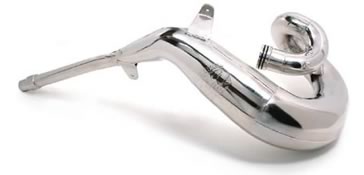
A: Resonance chambers (like the FMF Megabomb) diffuse sound waves to reduce overall decibels while creating a low-pressure wave pulse that enhances low-end torque and mid-range throttle snap.